


Many patients in Leisure Village ask the same important question: is professional teeth whitening safe for your enamel and gums? It is a fair concern. Whitening treatments use active chemical agents. Understanding how they work helps you make a confident, informed decision.
At North Dover Dental of Toms River, Dr. Yoni Moskowitz prioritizes patient education above all else. This article breaks down exactly what happens to your teeth during whitening. We cover enamel safety, gum sensitivity, and who should pause before starting treatment.
How Professional Teeth Whitening Works on Enamel
Professional whitening uses hydrogen peroxide or carbamide peroxide as the active ingredient. These agents penetrate the outer enamel layer to break apart stain molecules. The process is chemical, not mechanical. That distinction matters for your enamel’s long-term health.
Enamel is the hardest substance in your body. However, it is not invincible. One common worry is that peroxide erodes enamel over time. Research consistently shows that professionally supervised whitening does not cause significant enamel loss when used correctly.
The key word is professionally supervised. Over-the-counter strips carry lower concentrations. They also lack custom-fit trays that protect surrounding tissue. In-office treatments are calibrated to your specific tooth sensitivity and enamel condition.
Studies published in dental journals confirm that enamel hardness and mineral content remain stable after professional whitening. Temporary surface changes do occur. These resolve within 48 hours as saliva remineralizes the tooth surface naturally.
Gum Sensitivity and Safety for Leisure Village Patients
Gum irritation is the most common side effect of whitening treatments. It usually happens when whitening gel contacts soft tissue directly. Professional treatments minimize this risk with carefully fitted barriers and custom trays.
Patients with existing gum issues need extra attention before whitening. Conditions like gingivitis or periodontitis make gums more reactive to peroxide. Treating underlying gum disease first leads to a safer whitening experience overall. Healthy Periodontic Dentistry forms the foundation of any cosmetic treatment plan.
Dr. Moskowitz evaluates every patient’s gum health before recommending whitening. This step is not optional. Whitening over inflamed or receding gums can worsen irritation. A thorough exam protects you from avoidable discomfort.
Post-treatment gum tenderness typically fades within one to three days. Using a sensitivity toothpaste before and after treatment helps significantly. Your dentist can also lower the peroxide concentration for more sensitive patients.
Who Should Avoid or Delay Teeth Whitening?
Not every patient is a candidate for whitening right away. Certain conditions require attention first. Others make whitening less effective or potentially uncomfortable. Knowing these factors helps you plan your treatment wisely.
Patients who should pause before whitening include:
- Those with untreated cavities or cracked teeth
- Patients with active gum disease or significant recession
- Individuals with tooth sensitivity that has not been evaluated
- Pregnant or nursing patients (as a precautionary measure)
- Children and teenagers whose enamel is still developing
- Patients with crowns, veneers, or dental Bridges (whitening does not change artificial materials)
Whitening also works differently on intrinsic stains. These stains form inside the tooth, not on the surface. Trauma, certain medications, or fluorosis can cause them. Peroxide-based whitening targets extrinsic, surface-level staining most effectively.
If you fall into any of these categories, Dr. Moskowitz will discuss your alternatives. There are often other cosmetic paths that achieve the results you want safely.
Benefits of Choosing Professional Whitening Over Store-Bought Options
The market is full of whitening kits, strips, and toothpastes. They are convenient and affordable. However, they come with trade-offs that matter to your dental health. Professional treatment offers advantages that drugstore products simply cannot match.
Here is why professional whitening stands apart:
- Higher-grade whitening agents deliver faster, more even results
- Custom trays prevent gel from touching gum tissue unnecessarily
- A dentist monitors the process and adjusts as needed
- Pre-treatment exams catch issues before they become problems
- Results last longer with proper maintenance guidance from your dental team
Store-bought products use one-size-fits-all trays. These allow gel to seep onto gums easily. Repeated misuse can cause enamel dehydration and increased sensitivity. Professional care avoids these outcomes from the start.
Patients in Leisure Village also benefit from the relationship with a local dental team. Follow-up care, touch-up treatments, and personalized advice are all part of the experience at North Dover Dental.
What to Expect During and After Your Whitening Treatment
An in-office whitening session at North Dover Dental typically takes about an hour. Dr. Moskowitz or a trained team member begins by protecting your gums with a specialized barrier. The whitening gel is then applied carefully to the tooth surfaces.
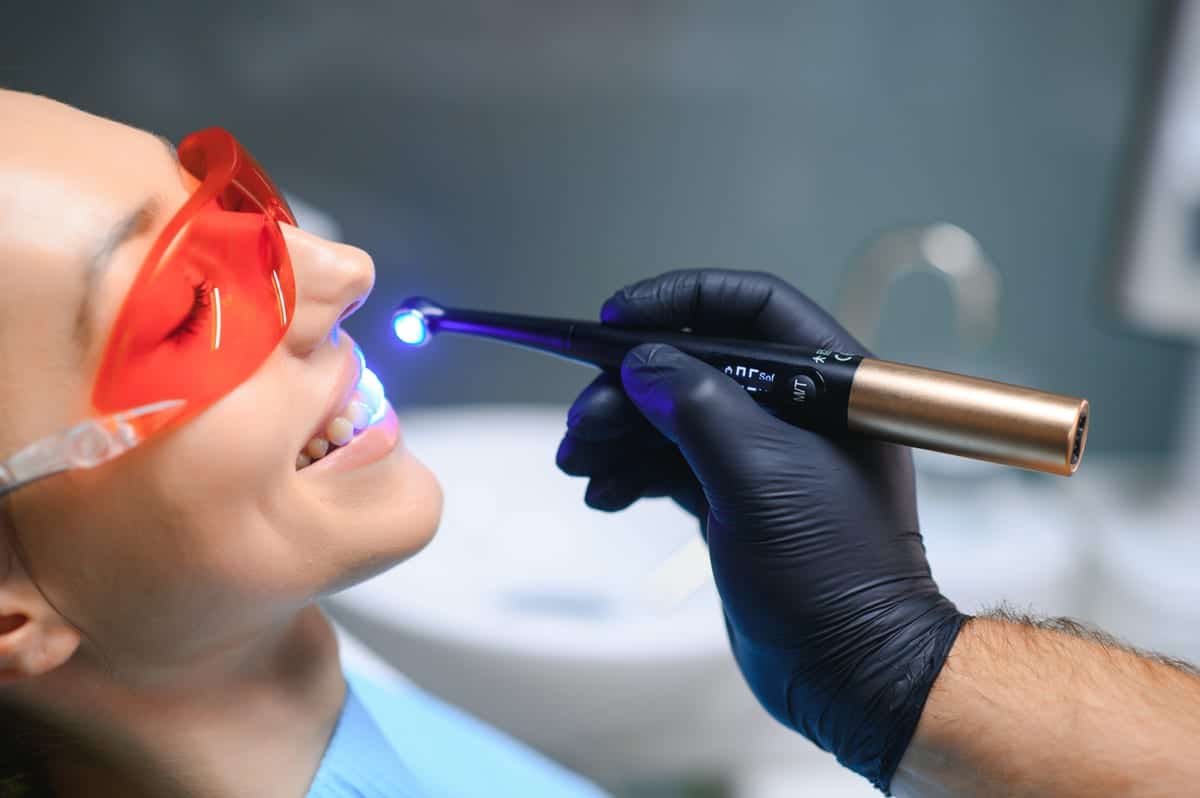
Light or laser activation may be used to enhance the gel’s effectiveness. The gel sits for a set period, then is removed and reapplied. Most patients see noticeable results in a single session. Some choose a take-home tray system for gradual whitening over one to two weeks.
After treatment, you may notice mild tooth sensitivity. This is temporary and very common. Avoiding extremely hot or cold foods for 24 to 48 hours reduces discomfort. Your dentist will provide clear aftercare instructions tailored to your needs.
Long-term maintenance is simple. Limit staining foods and beverages like coffee, tea, and red wine. Brush twice daily with a fluoride toothpaste. Schedule periodic touch-up appointments to keep your smile bright.
Conclusion: Safe, Supervised Whitening Makes the Difference
Professional teeth whitening is safe when performed by a qualified dentist. Enamel remains intact with proper protocols. Gum sensitivity is manageable and temporary. The key is starting with a thorough evaluation by someone you trust.
Dr. Yoni Moskowitz and the team at North Dover Dental of Toms River are proud to serve patients throughout Leisure Village and the surrounding area. We take the time to assess your unique oral health before recommending any cosmetic treatment. Your safety is always the first priority.
If you have been wondering whether whitening is right for you, we are here to help with honest, expert guidance. Book Now to schedule your appointment with our team.
Frequently Asked Questions
Does professional teeth whitening damage enamel permanently?
No. Research shows that professional whitening does not cause permanent enamel damage when used correctly. Temporary mineral changes occur but resolve within 48 hours as saliva remineralizes the tooth surface. Professionally supervised treatments are far safer than repeated unsupervised use of over-the-counter products.
Why do my gums feel sore after whitening?
Gum soreness after whitening is usually caused by brief contact between the whitening gel and soft tissue. This is temporary and typically resolves within one to three days. Professional treatments use custom trays and gum barriers to minimize this contact. Patients with existing gum sensitivity should discuss this with Dr. Moskowitz before treatment.
Can I whiten my teeth if I have crowns or veneers?
Whitening agents do not change the color of artificial dental materials like crowns, veneers, or bridges. Only natural tooth enamel responds to peroxide-based treatments. If you have restorations, whitening your natural teeth may create a color mismatch. Dr. Moskowitz will evaluate your smile and recommend the best approach for your individual situation.
How long do professional whitening results last?
Results typically last six months to two years depending on your diet and oral hygiene habits. Limiting staining foods and beverages like coffee, tea, and red wine helps preserve brightness. Regular dental cleanings and periodic touch-up treatments extend your results significantly. Your dental team can provide a personalized maintenance plan.
Is teeth whitening safe for people with sensitive teeth?
Many people with sensitive teeth can still safely whiten with the right precautions. Dr. Moskowitz will evaluate the cause and degree of your sensitivity before recommending treatment. Lower-concentration peroxide formulas, desensitizing gel applications, and customized treatment timing all help manage sensitivity effectively. A pre-treatment exam ensures whitening is adapted to your comfort level.