


When patients ask Dr. Yoni Moskowitz about dental implants, the first question is almost always the same: How long will they last? It is a smart question. Dental implants are a significant investment in your smile and your health. Understanding dental implants that last a lifetime — what you need to know in Toms River — starts with knowing what makes them succeed or fail. This guide breaks it all down in plain language so you can make a confident, informed decision.
How Long Do Dental Implants Actually Last?
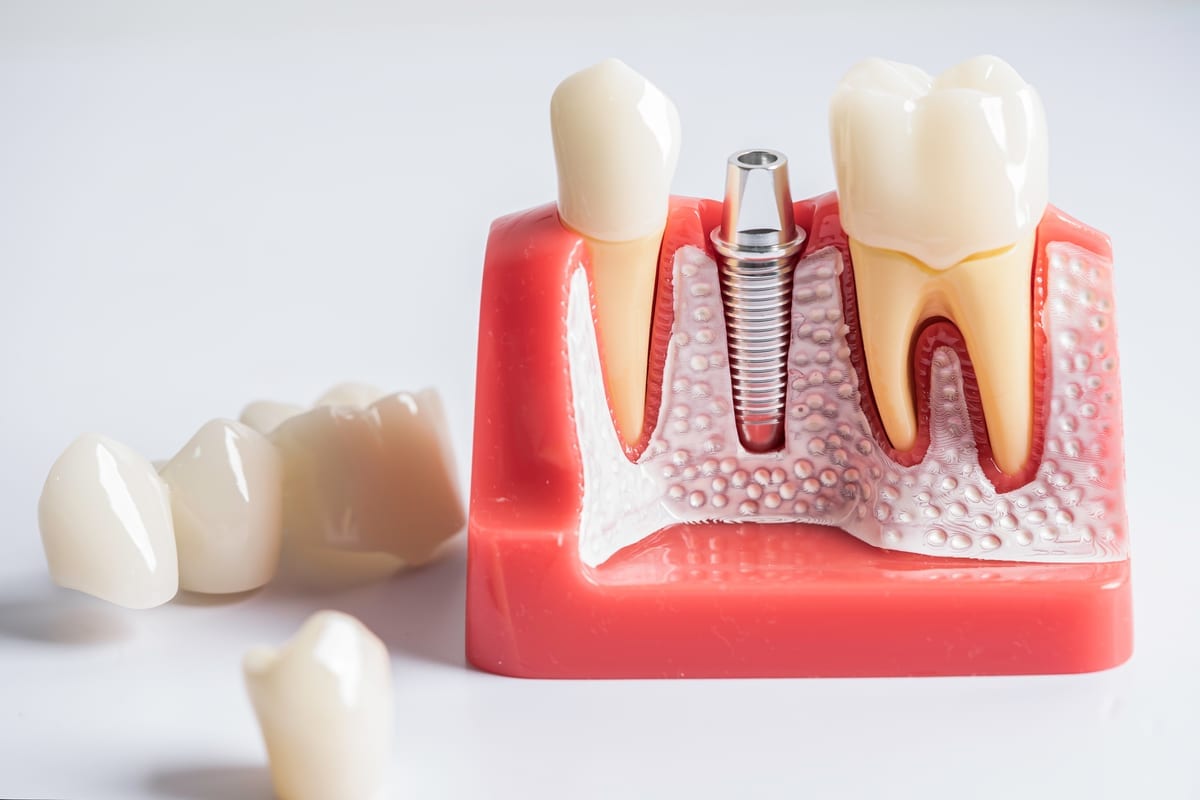
Dental implants are designed to be a permanent tooth replacement solution. With proper care, the titanium post fused into your jawbone can last decades — often a lifetime. Studies consistently show implant success rates above 95% over ten years.
The crown attached to the implant typically lasts 10 to 15 years before it may need replacement. The post itself, however, rarely needs to be changed. Think of it like a tire versus the car’s engine — the crown wears down faster than the foundation beneath it.
Age at placement also matters. Patients who receive implants in their 40s or 50s may eventually need a new crown, while the implant post continues to function well into their later years. That is why early treatment often makes the most long-term sense.
Dental Implants That Last a Lifetime in Toms River: Factors That Affect Longevity
Not every implant lasts the same length of time. Several key factors determine whether your implant thrives for life or runs into problems within a few years. Knowing these factors puts you in control of your outcome.
Factors that can shorten implant lifespan include:
- Untreated gum disease around the implant site
- Smoking or tobacco use, which slows healing
- Poor oral hygiene habits at home
- Skipping routine dental checkups and cleanings
- Grinding or clenching teeth (bruxism) without a night guard
- Uncontrolled diabetes or other systemic health conditions
Gum disease is one of the biggest threats to implant longevity. A condition called peri-implantitis — a form of gum infection around the implant — can cause bone loss and implant failure. That is why Periodontic Dentistry Toms River services are closely linked to long-term implant success.
What You Can Do to Make Your Implants Last Longer
The good news is that most factors affecting implant lifespan are within your control. Small daily habits make a dramatic difference in how long your implants stay healthy and functional. Here is what Dr. Moskowitz recommends to every implant patient at North Dover Dental of Toms River.
Proven strategies to extend implant life:
- Brush twice daily using a soft-bristle toothbrush
- Floss around the implant every day — special implant floss works best
- Use an antibacterial mouthwash to reduce bacteria buildup
- Visit your dentist every six months for professional cleanings
- Wear a night guard if you grind your teeth while sleeping
- Quit smoking — this single change dramatically improves implant survival rates
- Manage chronic health conditions with your primary care physician
Routine professional cleanings are not optional for implant patients. Plaque and bacteria accumulate around implants just like natural teeth. Catching problems early at a checkup prevents small issues from becoming costly ones.
Your diet also plays a role. Avoid chewing ice, hard candies, or extremely tough foods. These habits place excessive force on the implant crown and can cause fractures over time.
The Role of Your Overall Oral Health in Implant Success
Dental implants do not exist in isolation. They depend on a healthy mouth to thrive. Bone density, gum tissue quality, and neighboring tooth health all influence how well an implant performs over the long term.
Before placing any implant, Dr. Moskowitz evaluates the full picture of your oral health. If a tooth needs treatment before implant placement, that work comes first. For example, an untreated infection in a nearby tooth could spread and compromise the new implant. In some cases, a Root Canal Toms River may be needed to address infection in an adjacent tooth before implant surgery begins.
Bone loss is another critical consideration. If significant bone has been lost where the missing tooth once was, a bone graft may be necessary. This rebuild creates a stable foundation for the implant post to fuse with the jaw. Without adequate bone, implants simply cannot integrate properly.
Patients who act quickly after losing a tooth tend to have better outcomes. Bone begins to resorb within weeks of tooth loss. Early treatment preserves the jawbone structure and simplifies the entire implant process.
What Makes a Great Implant Candidate — and What to Expect
Most healthy adults are good candidates for dental implants. However, some conditions require careful evaluation before proceeding. Dr. Moskowitz takes time to review every patient’s medical history and oral health status thoroughly.
Good candidates for long-lasting dental implants typically share these characteristics:
- Healthy gum tissue with no active periodontal disease
- Sufficient jawbone density to support the titanium post
- No uncontrolled systemic conditions that impair healing
- Non-smokers or patients committed to quitting before treatment
- A commitment to regular dental visits and home care routines
The implant process itself takes place over several months. The post is placed first and given time to fuse with the jawbone — a process called osseointegration. Once that healing is complete, the custom crown is attached. Patients who follow aftercare instructions carefully during this healing phase give their implants the best possible start.
Conclusion: Your Lifetime Smile Starts Here in Toms River
Dental implants can genuinely last a lifetime when placed correctly and cared for consistently. The key is working with an experienced provider, understanding what affects longevity, and committing to the daily habits that keep your implant healthy for years to come. At North Dover Dental of Toms River, Dr. Yoni Moskowitz and the team are dedicated to helping every patient achieve a confident, lasting smile. Book Now to schedule your appointment with our team.
Frequently Asked Questions
How long do dental implants last on average?
The titanium implant post can last a lifetime with proper care. The crown attached to the post typically lasts 10 to 15 years before needing replacement. Good oral hygiene and routine checkups significantly extend the life of both components.
Can dental implants fail years after placement?
Yes, implants can fail even after successful initial healing. The most common cause is peri-implantitis, a bacterial infection affecting the gum and bone around the implant. Regular cleanings and monitoring help catch and treat problems before they lead to implant loss.
Does smoking really affect how long implants last?
Smoking is one of the leading risk factors for implant failure. It restricts blood flow, slows healing, and increases the risk of infection around the implant site. Patients who quit smoking before and after treatment have significantly better long-term success rates.
Are dental implants in Toms River right for everyone?
Most healthy adults qualify for dental implants, but each case is unique. Factors like bone density, gum health, and overall medical history all play a role. Dr. Moskowitz at North Dover Dental of Toms River conducts a thorough evaluation to determine if implants are the right fit for your specific needs.
What happens if I skip my dental checkups after getting an implant?
Skipping checkups allows plaque and bacteria to build up undetected around your implant. This increases the risk of gum disease and bone loss, which are the primary causes of implant failure. Routine visits every six months are essential for protecting your investment long-term.