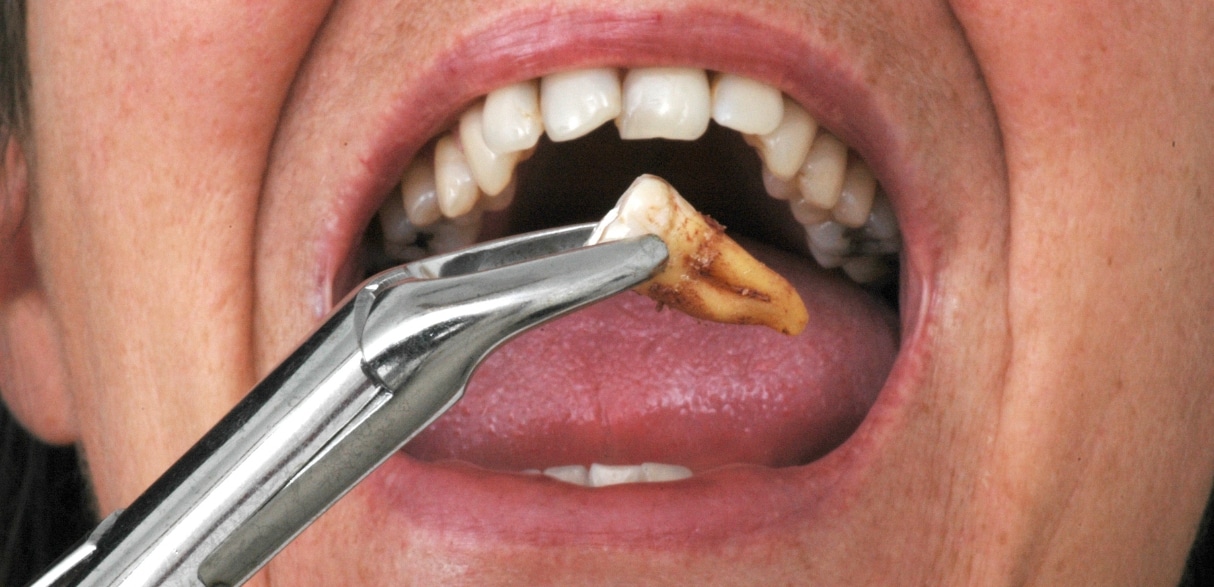




We all know how uncomfortable tooth pain can be, whether it is a dull ache or a sharp shock. While some tooth issues can be addressed with treatments like fillings, crowns, or root canals, sometimes, a tooth is too damaged to save. In such cases, extraction is the only alternative.
It can be very confusing to determine whether to save a tooth or have it extracted. If you have a tooth that cannot or should not be saved, delaying its removal can lead to complications in the future. In this blog, you will learn when tooth extraction is needed and whether it is necessary for your dental issues.
If you are experiencing any discomfort in your teeth or have concerns about your oral health, do not hesitate to seek medical attention, call us right away at (732) 226-1545.
When is Tooth Extraction Necessary?
If you have been experiencing severe tooth pain or symptoms of damage or infection, it may be time for you to seek the services of a professional dentist. This analysis would enable the dentist to see whether the tooth can remain in place or if a root canal is necessary. Below are the instances where tooth extraction appears to be the best alternative:
Severe Tooth Decay or Infection
Cavities are a common cause of people needing tooth extraction. If a cavity progresses from a surface problem to an interior problem involving the pulp/nerve of a tooth, a root canal becomes the solution to save that tooth. However, if a tooth is riddled with cavities and is not strong enough to withstand a crown placement procedure, an extraction is necessary.
When an individual suffers a tooth infection, it may result in severe pain and swollen tissue. Further, an infection can easily spread into the gum tissue and the surrounding bones. When the condition becomes severe, the only solution may be to have it extracted to prevent an infection from spreading.
Cracked or Fractured Teeth
Sometimes a chipped tooth can be repaired with a crown or a filling, depending on the extent of the damage. But if the chip has reached the roots or made the tooth structurally unsound, the tooth may no longer be restorable. In this case, the dentist may recommend extracting the tooth. A chipped tooth, especially when trauma has occurred, can also result in an irreparable loss of tooth structure. In this situation, the dentist may find it best to extract the tooth to prevent complications such as infection.
Advanced Gum Disease
Gum disease, or periodontitis, is another prevalent cause of tooth loss. As gum disease progresses, the gums and bone underneath become weakened, leading to loosened teeth or, in extreme cases, tooth loss. If the tooth becomes too loose to be retained by treatment, it will inevitably be necessary to extract it. Infection of the roots from gum disease will render it ineffective to save the tooth with a root canal or a crown.
Tooth Damage Beyond Repair
Sometimes, a tooth can be so damaged by decay, trauma, or infection that no dental work can save it. If the tooth is beyond repair and has decayed to the point that it can no longer support a filling or crown, or if a root canal procedure is not feasible, then extraction is the only solution. Of course, when it comes to teeth, it is always ideal to save one if possible.
Tooth Extraction Aftercare
Once the extraction process is done, you will enter the post-extraction recovery phase. This will mean resting for a couple of days and following whatever aftercare advice your dentist gives. This may include avoiding certain foods, maintaining certain oral hygiene, and managing your pain.
Availing the Right Treatment for Your Tooth Problems
Deciding whether to remove a tooth can be a hard decision. At times, extraction might be the very best thing you can do for your oral health. Maybe you are struggling with infection, gingivitis, or trauma, and tooth removal might give you the perfect reason to treat yourself to an implant, a dental bridge, or something similar.
Contact us today at North Dover Dental of Toms River to schedule a consultation and get the guidance you need to get the best dental care.
FAQs
1. What should I expect during a tooth extraction?
During a tooth extraction, your dentist will numb the area with a local anesthetic to ensure you are comfortable. The dentist will then remove the tooth using specialized instruments. If necessary, stitches may be used to close the wound.
2. How long does it take to recover from a tooth extraction?
Recovery from a tooth extraction typically takes a few days to a week. It’s important to follow your dentist’s care instructions to avoid complications and ensure proper healing.
3. Can I replace a tooth after extraction?
Yes, after a tooth extraction, you have several options for replacing the tooth, including dental implants, bridges, or dentures. Your dentist will help you choose the best option based on your needs.
4. Is tooth extraction painful?
Tooth extraction is generally not painful, as local anesthesia is used to numb the area. After the procedure, you may experience some soreness, which can be managed with over-the-counter pain relievers.
5. How do I know if I need a tooth extraction?
Signs that you may need a tooth extraction include severe tooth pain, noticeable decay, cracked or broken teeth, or loose teeth due to gum disease. Consult a dentist for an evaluation to determine the best course of action.
6. What are the risks of delaying tooth extraction?
Delaying tooth extraction can lead to further infection, tooth damage, and potential problems with surrounding teeth and gums. Early intervention can prevent these issues and ensure better recovery outcomes.