


If the words ‘root canal’ make your stomach drop, you are not alone. Most patients in Toms River come to us with real anxiety about this procedure. The good news? That fear is almost always based on outdated information. Understanding the root canal step-by-step — what you’ll actually feel during treatment in Toms River — is the single best way to calm those nerves before you even sit in the chair. At North Dover Dental of Toms River, Dr. Yoni Moskowitz walks every patient through exactly what to expect. Let’s do that right now.
Why Root Canals Feel Nothing Like the Rumors
The reputation of root canals is decades old — and dentistry has changed dramatically. Modern anesthetics are far more effective than they used to be. Patients are genuinely surprised by how comfortable the experience feels. The procedure itself relieves pain rather than causing it.
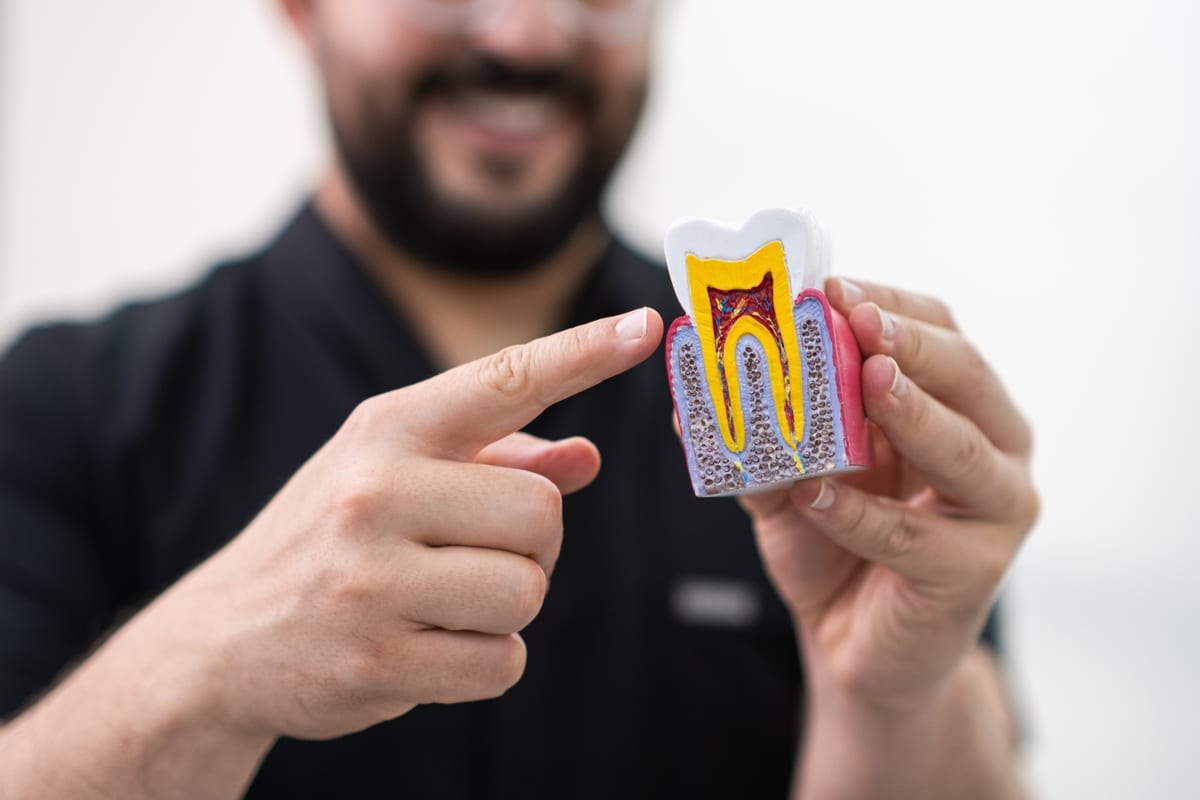
The source of your tooth pain is the infected or inflamed pulp inside the tooth. That pulp contains nerves, which is why the toothache can be intense. Once Dr. Moskowitz numbs the area, those nerves are no longer sending pain signals. Most patients describe the procedure as pressure and vibration — not sharp pain.
It also helps to understand what the procedure is actually treating. Issues like deep decay, cracks, or untreated Periodontic Dentistry Toms River concerns can all allow bacteria to reach the pulp. A root canal clears that infection and seals the tooth permanently. Think of it as deep cleaning from the inside out.
Root Canal Step-by-Step: What Happens in Each Stage
Breaking the procedure into stages makes it much less intimidating. Here is exactly what happens during a Root Canal Toms River appointment at North Dover Dental:
- Examination and X-ray: Dr. Moskowitz reviews your X-rays and identifies the affected tooth and surrounding tissue.
- Local anesthesia: A topical numbing gel is applied first. Then a small injection delivers the local anesthetic. You may feel a brief pinch — nothing more.
- Dental dam placement: A small rubber sheet isolates the tooth. This keeps the area clean and dry throughout the procedure.
- Access opening: A tiny opening is made through the top of the tooth. You will feel pressure but no sharp sensation.
- Pulp removal: Specialized files remove the infected pulp tissue from the root canals. You feel vibration and mild pressure at this stage.
- Canal shaping and cleaning: The canals are shaped and rinsed with antiseptic solution. This is the longest part — but still comfortable.
- Filling the canals: A biocompatible material called gutta-percha fills the cleaned canals. This seals the tooth against future infection.
- Temporary or permanent seal: The access hole is sealed. A crown is typically placed at a follow-up visit to protect the tooth long-term.
Each of these steps is methodical and controlled. Dr. Moskowitz communicates throughout the process so you are never caught off guard.
What You Will Actually Feel at Each Step
Let’s be specific about sensations — because vague reassurance does not help a nervous patient. Here is a realistic breakdown of what most patients actually feel.
During the injection, you feel a quick pinch or mild pressure. The topical gel applied beforehand reduces even that sensation significantly. Within a few minutes, the tooth and surrounding area feel completely numb. Most patients say they feel nothing from this point forward.
During the cleaning and shaping phase, you may feel the following:
- Dull pressure as files move through the canals
- Light vibration from the rotary instruments
- Occasional sensation of movement deep in the jaw
- Nothing that resembles sharp or stabbing pain
After the procedure, the numbness wears off over two to four hours. Some patients experience mild soreness in the jaw or gum tissue. Over-the-counter pain relief typically handles this easily. The severe toothache that brought you in — that is gone.
How Dr. Moskowitz Makes the Experience Easier in Toms River
Comfort during a root canal depends heavily on the skill and communication of your dentist. Dr. Moskowitz takes a patient-first approach at every appointment. He explains each step before performing it, so nothing feels sudden or unexpected. Patients consistently report feeling more at ease once the procedure actually begins.
For patients with significant dental anxiety, sedation options are available. Sedation dentistry allows you to remain calm and relaxed throughout the entire appointment. You stay conscious and can respond to Dr. Moskowitz — but your anxiety no longer controls the experience. Many patients with a fear of dental procedures choose this option and report it as a complete game-changer.
Here are a few additional things Dr. Moskowitz does to improve your comfort:
- Uses a slow, measured injection technique to minimize discomfort
- Checks in frequently to ensure numbness is complete before proceeding
- Explains any unusual sensations as they arise
- Allows patients to signal for a pause at any time
- Keeps the appointment as efficient as possible to reduce chair time
The goal is always a positive experience — not just a technically successful procedure.
After Your Root Canal: Recovery in Toms River
Recovery from a modern root canal is genuinely straightforward for most patients. The first 24 to 48 hours may involve mild tenderness near the treated tooth. Avoid chewing hard foods on that side during this window. Most people return to normal activities the same day or the next morning.
Dr. Moskowitz will advise you on caring for the tooth while you wait for your permanent crown. Keep the area clean with gentle brushing. Avoid putting excessive pressure on the temporary seal. Follow-up appointments are brief and focused on completing your restoration.
Ignoring an infected tooth is far more painful than treating it. Untreated infections can spread to neighboring teeth and surrounding bone. A root canal stops that process entirely. Saving your natural tooth is always the preferred outcome when possible.
Frequently Asked Questions
Does a root canal hurt during the procedure?
With modern local anesthesia, the procedure itself is not painful. Most patients feel pressure and vibration — not sharp pain. Dr. Moskowitz ensures the area is fully numb before any treatment begins. If you feel anything beyond pressure, you simply signal and the team adjusts.
How long does a root canal take at North Dover Dental?
Most root canals at North Dover Dental of Toms River take between 60 and 90 minutes. More complex cases with multiple canals may require a longer appointment or a second visit. Dr. Moskowitz gives you a realistic time estimate during your exam so you can plan accordingly.
What should I do to prepare for my root canal appointment?
Eat a normal meal before your appointment since the numbness will make eating difficult for a few hours afterward. Avoid alcohol the day before if you are planning sedation. Wear comfortable clothing and plan for someone to drive you home if you choose sedation dentistry.
Is a crown always necessary after a root canal?
In most cases, yes. A crown protects the treated tooth from fracture and restores full function. Back teeth especially need the added strength a crown provides. Dr. Moskowitz will assess your specific situation and recommend the best restoration option for your tooth.
Can I go back to work after a root canal?
Most patients return to desk work or light activity the same day. If you had sedation, you will need to rest for the remainder of that day. Mild soreness is common but manageable with over-the-counter pain relief. Dr. Moskowitz will give you specific aftercare instructions at the end of your appointment.
You deserve clear answers and compassionate care — not guesswork and anxiety. At North Dover Dental of Toms River, Dr. Moskowitz and the team are ready to walk you through every step in person. Book Now to schedule your appointment with our team.