


Many patients in Toms River ask the same question before their first implant consultation. They wonder: Am I too old for dental implants? What your age really means may surprise you. The honest answer is that age alone rarely disqualifies anyone. What truly matters is your overall health, bone density, and a few other key factors.
Dr. Yoni Moskowitz at North Dover Dental of Toms River evaluates each patient as an individual. A healthy 75-year-old can often be a better candidate than an unhealthy 45-year-old. Understanding what actually drives candidacy helps you make a confident, informed decision about your smile.
Does Age Actually Disqualify You From Dental Implants?
The short answer is no — age is not a hard cutoff. Dental implants have no upper age limit recognized by dental professionals. Older adults receive implants successfully every day across the country. What matters far more is whether your body can support the healing process.
There is, however, a minimum age requirement. Implants are not placed in younger teens or children. The jawbone must finish growing before an implant can be placed safely. This typically means patients need to be at least 17 to 18 years old, sometimes older.
Senior patients in Toms River are often excellent candidates. Many older adults are in strong health and have stable jawbones. A thorough evaluation by Dr. Moskowitz will reveal exactly where you stand. Age is simply a number — your biology tells the real story.
How Bone Density Affects Your Implant Candidacy in Toms River
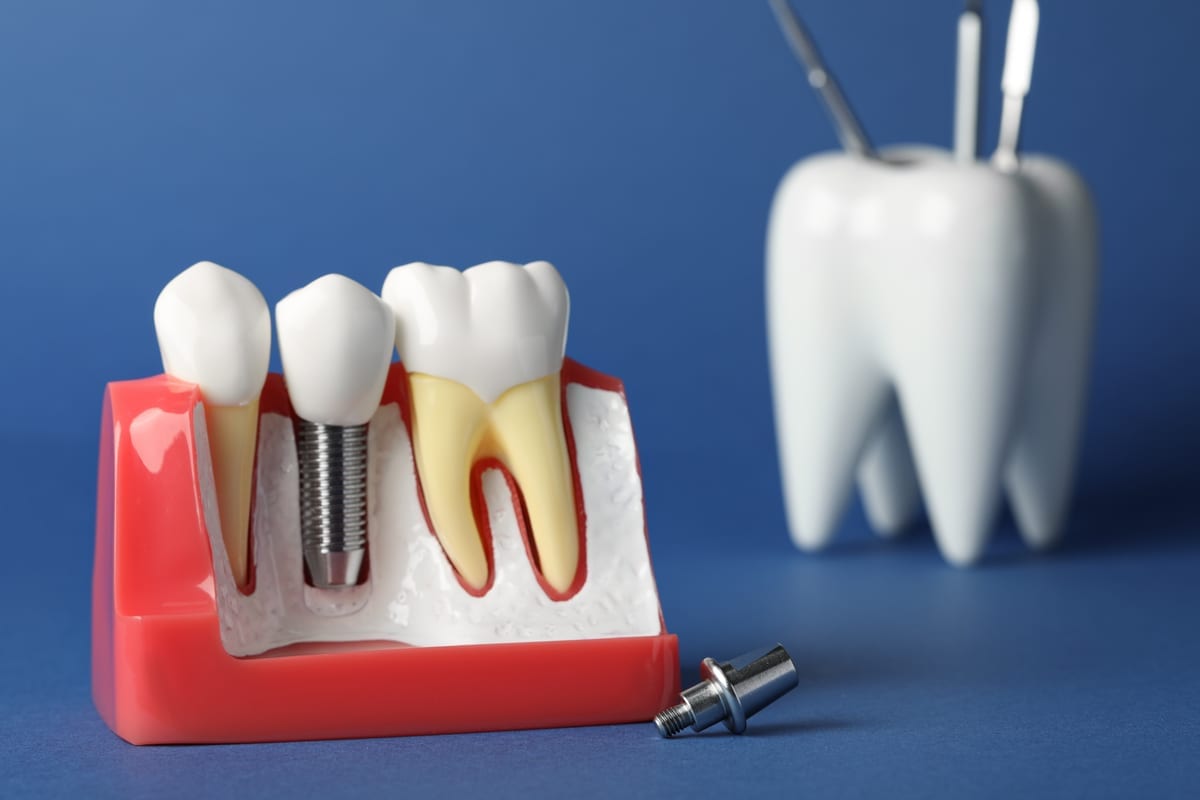
Bone density is one of the most important factors in implant success. The implant post must fuse with your jawbone through a process called osseointegration. If your bone is too thin or too soft, that fusion may not happen reliably. This is why a 3D scan or X-ray is a standard part of every implant evaluation.
Bone loss happens naturally when teeth are missing. The longer a tooth has been gone, the more bone may have resorbed. This does not automatically disqualify you, though. Bone grafting procedures can rebuild lost volume before implant placement.
Good Periodontic Dentistry plays a big role in implant readiness. Gum disease and bone infections must be treated before implants are placed. Healthy gum tissue supports the implant and helps it last for decades. Addressing periodontal health first sets the entire treatment up for success.
Health Conditions That Affect Whether You Qualify
Certain medical conditions require extra planning before implant placement. This does not mean you cannot get implants — it means your treatment plan needs customization. Dr. Moskowitz reviews your full medical history to identify any concerns early. Transparency about your health history protects both your safety and your outcome.
Here are conditions that require careful evaluation before implants:
- Uncontrolled diabetes — High blood sugar slows healing and raises infection risk
- Osteoporosis — Bone-weakening medications can affect osseointegration
- Heart disease — Certain medications and procedures require coordination with your physician
- Autoimmune disorders — These can affect how your body accepts the implant
- Active cancer treatment — Radiation to the jaw area affects bone healing significantly
Many patients with these conditions still receive implants successfully. Controlled diabetes, for example, poses far less risk than uncontrolled diabetes. The key is honest communication with your dental team. Dr. Moskowitz will work alongside your physicians when needed.
If implants are not the right fit for you right now, alternatives exist. Bridges are a reliable, fixed tooth-replacement option that many patients use successfully. Your care team will always present every option clearly so you can choose with confidence.
Does Smoking Affect Dental Implant Success?
Smoking is one of the most significant risk factors for implant failure. Tobacco use restricts blood flow to your gums and bone. This slows the healing that osseointegration depends on. Studies consistently show higher failure rates in smokers compared to non-smokers.
That said, smoking does not automatically disqualify you. Many smokers receive implants and maintain them well long-term. The key is honest conversation with Dr. Moskowitz about your habits. Quitting smoking — even temporarily around surgery — dramatically improves your odds.
Here is what smokers should know before pursuing implants:
- Quitting for at least two weeks before surgery improves blood flow
- Avoiding tobacco for eight or more weeks after placement aids healing
- Long-term smoking increases the risk of implant-related gum disease
- Regular follow-up appointments become even more important for smokers
Dr. Moskowitz will never shame you for your lifestyle choices. His goal is to give you accurate information so you can make the best decision. Many patients use implant treatment as motivation to finally quit smoking for good. It can be a powerful turning point for your overall health.
What the Evaluation Process Actually Looks Like
Your implant consultation at North Dover Dental is thorough but straightforward. Dr. Moskowitz begins with a complete review of your dental and medical history. Digital X-rays or a cone beam CT scan captures a 3D image of your jaw. This reveals bone volume, density, and the exact placement position for each implant.
He also evaluates your gum tissue health and checks for any signs of infection. Any existing dental issues are addressed before implant surgery is scheduled. This preparation phase is what makes the final result predictable and long-lasting. You will leave the consultation with a clear picture of your candidacy and your options.
The process is collaborative, not rushed. Dr. Moskowitz takes time to answer every question you have. Patients in Toms River appreciate knowing exactly what to expect before committing. Knowledge reduces anxiety and builds confidence in your treatment plan.
Conclusion: Your Age Is Just One Piece of the Puzzle
Dental implants are one of the most durable, natural-feeling tooth replacement solutions available today. Asking am I too old for dental implants is a great first question — but it is rarely the deciding one. Bone health, systemic conditions, gum health, and lifestyle habits all weigh in together. The only way to know your true candidacy is to sit down with an experienced implant dentist.
Dr. Yoni Moskowitz and the team at North Dover Dental of Toms River are ready to give you an honest evaluation. Whether you are 50 or 80, your smile deserves a thorough, personalized assessment. Book Now to schedule your appointment with our team.
Frequently Asked Questions
Is there a maximum age limit for dental implants?
No recognized maximum age limit exists for dental implants. Patients in their 70s, 80s, and beyond receive implants successfully every year. What matters most is your overall health, bone density, and gum condition. Dr. Moskowitz evaluates each patient individually rather than by age alone.
What happens if I do not have enough bone for an implant?
Insufficient bone is common, especially when a tooth has been missing for a long time. Bone grafting is a routine procedure that rebuilds lost bone volume before implant placement. After the graft heals, your jaw can support the implant post securely. Dr. Moskowitz will let you know if a graft is needed during your consultation.
Can I get dental implants if I have diabetes?
Many diabetic patients receive dental implants successfully. The key factor is how well your diabetes is controlled at the time of treatment. Uncontrolled blood sugar slows healing and increases infection risk. Dr. Moskowitz will coordinate with your physician to ensure your health is optimized before proceeding.
How long do dental implants last for older patients?
With proper care, dental implants can last 20 years or longer — often a lifetime. Age itself does not shorten implant lifespan. Good oral hygiene, regular dental visits, and a healthy lifestyle all support long-term success. Older patients who maintain their implants well enjoy the same durability as younger patients.
What are my options if I am not a candidate for implants right now?
Not qualifying for implants immediately does not mean you are out of options. Dental bridges offer a fixed, natural-looking replacement without requiring osseointegration. Dentures and partial dentures are also effective solutions for multiple missing teeth. Dr. Moskowitz will walk you through every available option so you can restore your smile confidently.