


If you recently had a root canal, you may have heard your dentist say you need a crown. That recommendation can feel surprising — especially after already going through treatment. Understanding why your dentist recommends a crown after root canal treatment in Leisure Village West-Pine Lake Park helps you make confident, informed decisions about your care. Dr. Yoni Moskowitz at North Dover Dental of Toms River wants every patient to understand the clinical reasoning behind this important step.
What Happens to a Tooth During Root Canal Treatment?
A root canal removes infected or damaged pulp from inside your tooth. This process saves the natural tooth from extraction. However, it also changes the tooth’s structure in important ways.
The procedure requires access through the top of the tooth. That means removing enamel and sometimes a significant portion of existing filling material. The result is a tooth that is structurally weaker than it was before treatment.
Teeth that have had root canals also lose their internal blood supply. Without that nourishment, the tooth becomes more brittle over time. Biting forces that a healthy tooth handles easily can cause a treated tooth to crack or fracture.
Why Your Dentist Recommends a Crown After Root Canal Treatment in Leisure Village West-Pine Lake Park
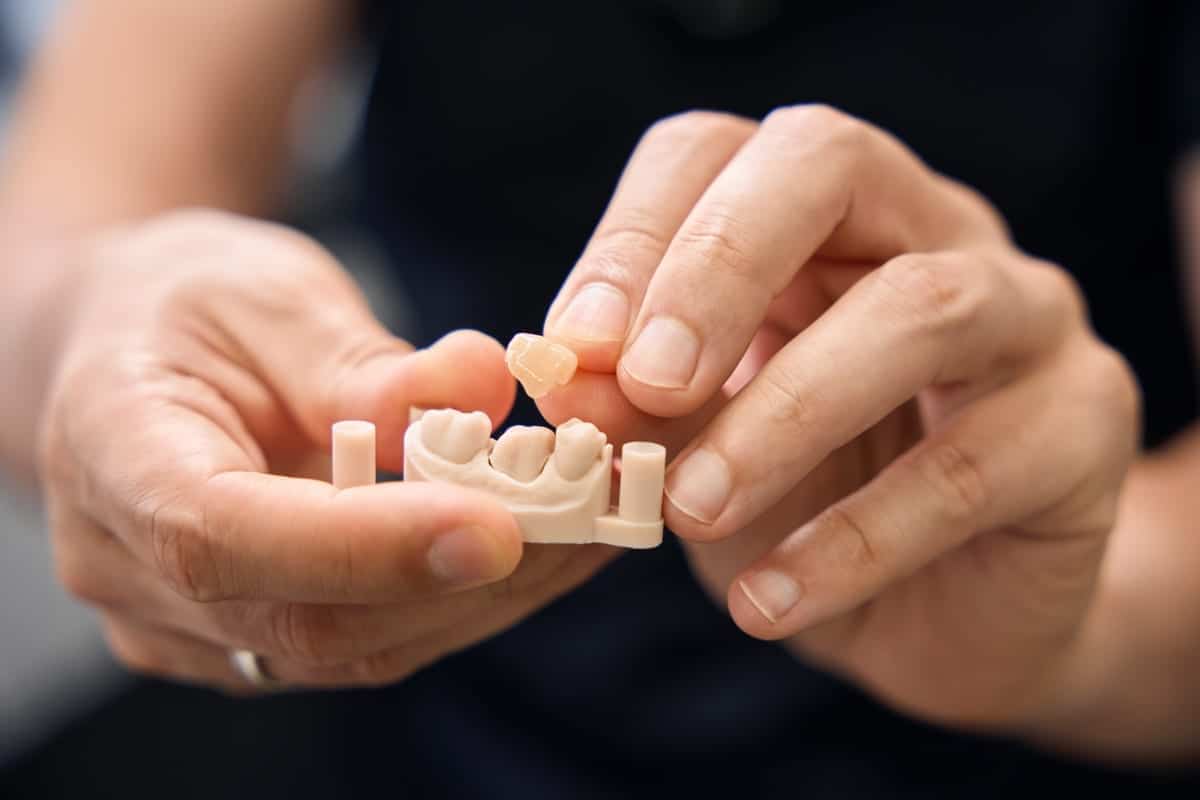
A dental crown fits over the entire visible portion of your tooth. It acts like a protective cap, holding the weakened tooth together. This protection is especially critical for back teeth that endure heavy chewing pressure every day.
Without a crown, a root canal-treated tooth faces serious risks. Here are the most common clinical reasons Dr. Moskowitz recommends a crown after your procedure:
- Preventing fracture: Brittle, treated teeth are prone to vertical cracks that can split the tooth entirely.
- Sealing out bacteria: A crown seals the access point created during root canal treatment, preventing reinfection.
- Restoring full chewing function: A crown allows you to bite and chew normally without fear of breaking the tooth.
- Protecting large fillings: If the tooth had a large existing filling, a crown provides the reinforcement that filling cannot.
- Preserving your natural tooth: A crown helps that tooth last for many more years without further intervention.
Residents in Leisure Village West-Pine Lake Park who delay getting a crown often face more complex problems later. A fractured tooth may ultimately require extraction. That is exactly the outcome root canal treatment was meant to avoid.
Other Clinical Situations That Require a Crown
Root canal treatment is not the only reason Dr. Moskowitz may recommend a crown. Several other conditions compromise a tooth’s structure enough to need full coverage protection.
A cracked tooth is a common example. Cracks can spread deeper into the tooth over time. Placing a crown early stops that progression and relieves the sharp pain many patients feel when biting.
A tooth with a large, failing filling also becomes a crown candidate. Old fillings can weaken over time and allow the surrounding tooth structure to flex and break. A crown distributes chewing force more evenly across the entire tooth.
Broken cusps are another frequent reason. When a cusp chips away — from an accident or simply from wear — the remaining tooth structure needs protection. A crown restores the full shape and strength of that tooth.
What the Crown Placement Process Looks Like
Understanding the process can ease any anxiety about getting a crown. Most patients at North Dover Dental of Toms River complete crown placement in two comfortable appointments.
Here is a simple overview of what to expect:
- Tooth preparation: Dr. Moskowitz gently reshapes the tooth to create a stable base for the crown.
- Impressions: Precise impressions are taken so your crown fits perfectly with your bite.
- Temporary crown: A temporary crown protects your tooth while the permanent one is being crafted.
- Crown placement: At your second visit, the permanent crown is fitted, adjusted, and cemented into place.
The entire process is designed to be as comfortable as possible. For patients who feel anxious about dental work, our practice also offers sedation dentistry options to help you stay calm and relaxed throughout your visit.
Good Periodontic Dentistry care supports the health of the gum tissue surrounding your crown. Healthy gums are essential for a crown to fit and function well long term. Dr. Moskowitz takes a comprehensive approach to ensure both the crown and surrounding tissues are in excellent condition.
How a Crown Compares to Other Tooth Replacement Options
Some patients wonder whether a crown is truly better than other options. It is worth understanding where a crown fits within the bigger picture of restorative dentistry.
A crown preserves your natural tooth. That is almost always preferable to extraction followed by replacement. Natural teeth provide better chewing efficiency and help maintain healthy jawbone density.
If a tooth cannot be saved and extraction becomes necessary, options like dental Bridges can fill the gap effectively. Bridges use neighboring teeth as anchors and restore your smile’s function and appearance. However, starting with a crown to save the natural tooth is always the preferred path when possible.
Patients in Leisure Village West-Pine Lake Park benefit from understanding all their options. Dr. Moskowitz takes time to explain every choice so you can make the decision that is right for your long-term oral health.
Conclusion: Protecting Your Investment in Your Smile
Root canal treatment saves teeth. A crown protects that investment for years to come. The clinical reasoning is clear — a treated tooth without a crown faces real risks of fracture, reinfection, and eventual loss.
Dr. Yoni Moskowitz and the team at North Dover Dental of Toms River are here to guide every patient through this process with clarity and care. Whether you are dealing with a cracked tooth, a broken cusp, or a tooth that just completed root canal therapy, we will explain your options honestly and thoroughly.
You deserve a smile that is both healthy and long-lasting. Book Now to schedule your appointment with our team.
Frequently Asked Questions
Is a crown always required after a root canal?
Not always, but it is strongly recommended in most cases. Front teeth may sometimes be restored with a filling alone. However, back teeth that endure heavy chewing pressure almost always need a crown to prevent fracture and protect the treated tooth long term.
How long does a dental crown last?
With proper care, a dental crown typically lasts between 10 and 15 years. Many crowns last even longer. Good brushing, flossing, and regular dental checkups are the best ways to extend the life of your crown.
Will the crown look natural?
Yes. Modern dental crowns are crafted to match the shape, size, and color of your surrounding teeth. Most patients find their crown blends seamlessly with their natural smile, and no one can tell the difference.
Can I eat normally with a crown?
Absolutely. A well-placed crown restores full chewing function. You should be able to eat a normal diet comfortably. It is best to avoid extremely hard foods or habits like chewing ice that can stress any restoration.
What happens if I skip the crown after a root canal?
Skipping the crown puts the treated tooth at significant risk. Without crown protection, the weakened tooth is likely to crack or fracture under normal biting pressure. A broken tooth may then require extraction, which is exactly the outcome root canal treatment was meant to prevent.