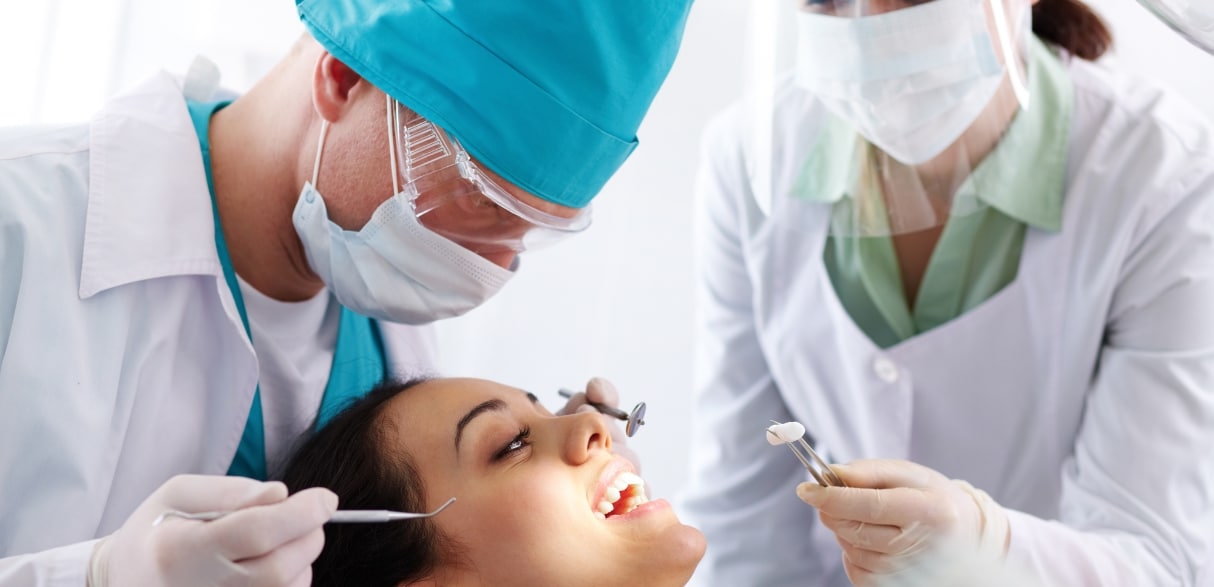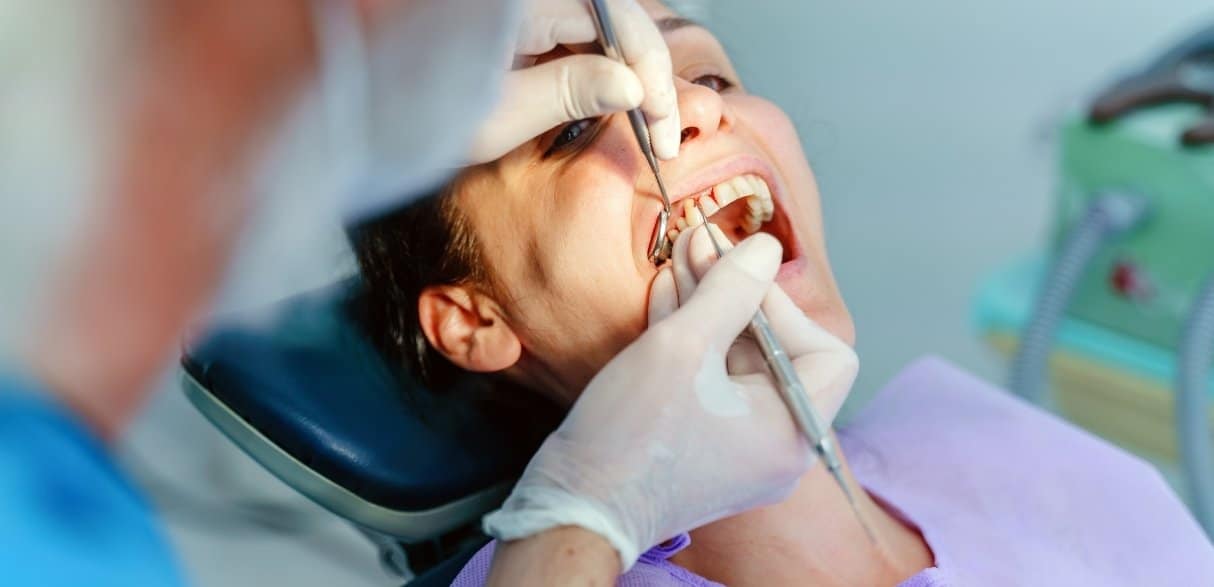



Recovering from oral surgery can feel overwhelming, especially during the first few days when eating becomes uncomfortable. Whether you recently had wisdom teeth removed, dental implants placed, or another procedure requiring stitches, choosing the right foods can make healing smoother and help prevent irritation or complications.
At North Dover Dental of Toms River, many patients ask the same question after treatment: “What can I safely eat without hurting my stitches?” The good news is that recovery-friendly meals can still be filling, comforting, and nutritious.
This guide explains the best foods to eat after oral surgery, what to avoid, and how local patients in Toms River can make recovery easier while healing at home.
Why Your Diet Matters After Oral Surgery
After oral surgery, your mouth needs time to heal. Stitches protect the surgical site while the tissue repairs itself. Eating the wrong foods too soon can:
- Irritate the stitches
- Cause bleeding
- Slow healing
- Increase pain and swelling
- Raise the risk of infection
Soft foods and proper hydration help reduce pressure on the surgical area while providing the nutrients your body needs to recover.
Best Foods to Eat After Oral Surgery with Stitches
During the first several days, focus on soft, easy-to-chew foods that are gentle on your mouth.
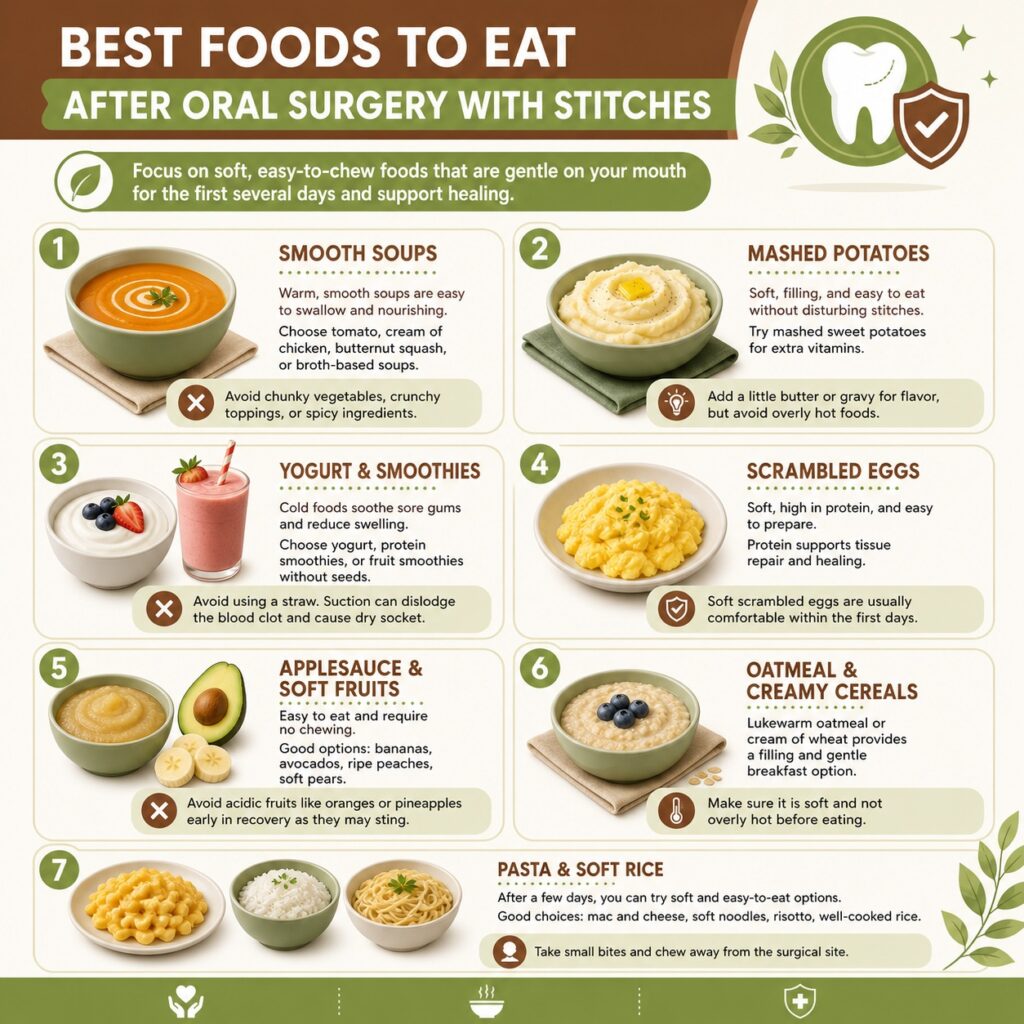
1. Smooth Soups
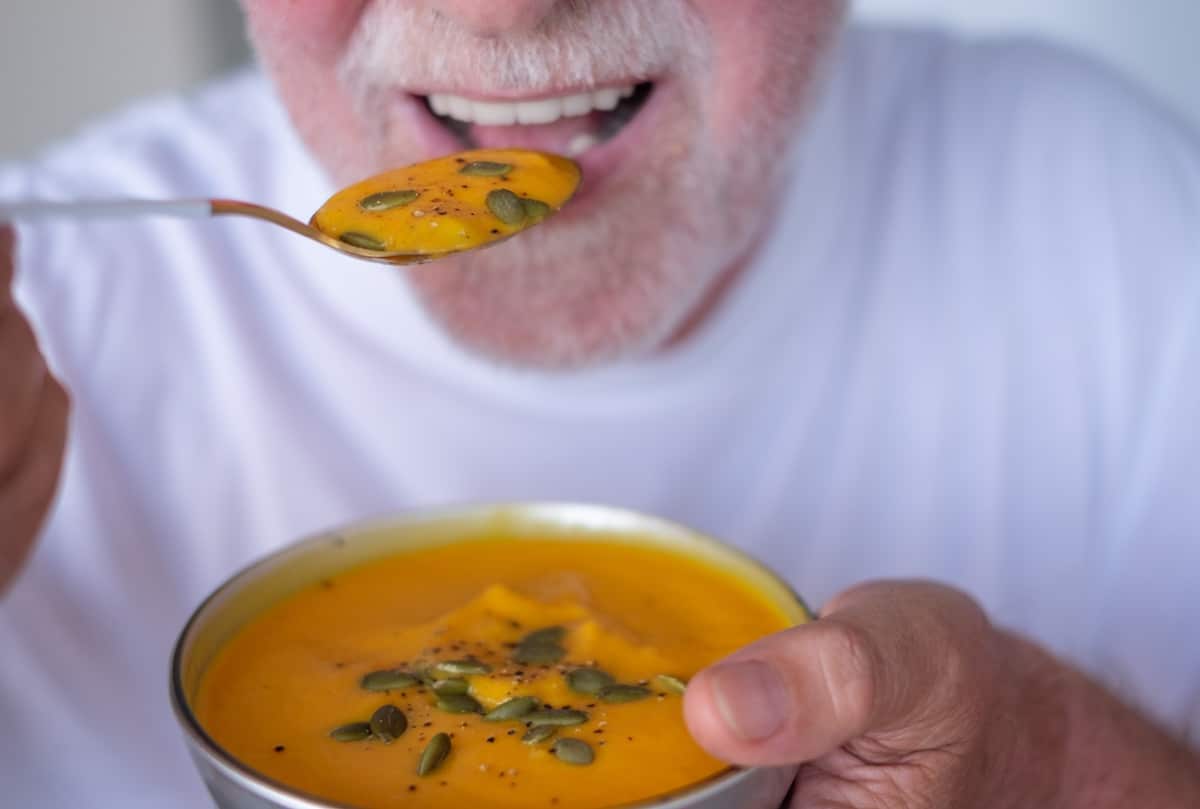
Warm—not hot—soups are a great option after surgery. They are easy to swallow and help you stay nourished.
Good choices include:
- Tomato soup
- Cream of chicken
- Butternut squash soup
- Broth-based soups
Avoid soups with chunky vegetables, crunchy toppings, or spicy ingredients.
2. Mashed Potatoes
Mashed potatoes are soft, filling, and easy to eat without disturbing stitches. You can also try mashed sweet potatoes for extra vitamins.
Tip: Add a little butter or gravy for flavor, but avoid overly hot foods right after surgery.
3. Yogurt and Smoothies
Cold foods can soothe sore gums and reduce swelling.
Choose:
- Plain or flavored yogurt
- Protein smoothies
- Fruit smoothies without seeds
Avoid using a straw because suction can dislodge the blood clot and lead to dry socket, especially after tooth extractions.
4. Scrambled Eggs
Eggs are soft, high in protein, and easy to prepare. Protein supports tissue repair and healing after oral surgery.
Soft scrambled eggs are usually comfortable to eat within the first couple of days.
5. Applesauce and Soft Fruits
Applesauce is a recovery classic because it requires no chewing. Other soft fruits include:
- Bananas
- Avocados
- Ripe peaches
- Soft pears
Avoid acidic fruits like oranges or pineapples early in recovery because they may sting sensitive tissues.
6. Oatmeal and Creamy Cereals
Once your mouth begins feeling better, lukewarm oatmeal or cream of wheat can provide a more filling breakfast option.
Make sure it is soft and not overly hot before eating.
7. Pasta and Soft Rice
After a few days, many patients can tolerate:
- Mac and cheese
- Soft noodles
- Risotto
- Well-cooked rice
Take small bites and chew away from the surgical site whenever possible.
Foods You Should Avoid After Oral Surgery
Some foods can damage stitches or delay healing. For at least the first week, avoid:
- Chips and pretzels
- Nuts and seeds
- Popcorn
- Crunchy bread
- Sticky candy
- Spicy foods
- Carbonated drinks
- Alcohol
- Extremely hot foods and beverages
These foods can irritate the area or become trapped around stitches.
Recovery Tips to Help Your Mouth Heal Faster
Healing is about more than food choices. Follow these simple recovery tips after oral surgery:
Stay Hydrated
Drink plenty of water throughout the day. Hydration supports healing and helps prevent dry mouth.
Eat Slowly
Take your time while eating to avoid accidentally biting sensitive tissue.
Keep Your Mouth Clean
Your dentist may recommend gentle saltwater rinses after the first 24 hours. Avoid aggressive swishing.
Rest During the First Few Days
Many Toms River patients try returning to normal activities too quickly. Rest is important, especially during the first 48 hours after surgery.
Follow Your Dentist’s Instructions
Every procedure is different. Always follow the personalized aftercare instructions provided by your dental team.
When Should You Call the Dentist?
Some discomfort is normal after oral surgery, but certain symptoms may indicate a problem.
Contact your dentist if you experience:
- Severe pain that worsens after a few days
- Heavy bleeding
- Swelling that continues increasing
- Fever
- Bad taste or odor from the surgical site
- Loose stitches
- Difficulty swallowing or breathing
Prompt care can help prevent complications and protect your healing progress.
How Long Does It Take for Stitches to Heal?
Most oral surgery stitches dissolve on their own within 7 to 14 days, though healing time varies depending on the procedure and your overall health.
During this period:
- Stick to softer foods
- Avoid smoking
- Maintain gentle oral hygiene
- Attend follow-up appointments if recommended
Most patients gradually return to normal eating habits within one to two weeks.
Helping Your Recovery Stay Comfortable
Recovering from oral surgery with stitches does not mean you have to struggle through every meal. Choosing soft, nutritious foods and following proper aftercare instructions can help you heal more comfortably and reduce the risk of complications.
If you have questions about recovery, discomfort, or post-surgery care, the team at North Dover Dental in Toms River is here to help. Scheduling a follow-up visit can ensure your healing stays on track and give you peace of mind during recovery.
FAQs About Eating After Oral Surgery with Stitches
Can I eat pizza after oral surgery?
It is best to avoid pizza for several days because the crust can be hard and chewy. Soft foods are safer while stitches heal.
Can I drink coffee after oral surgery?
You should avoid very hot coffee immediately after surgery. Lukewarm coffee may be okay after the first day if your dentist approves.
Is ice cream okay after oral surgery?
Yes, soft ice cream without nuts or crunchy toppings can help soothe the area. Enjoy it in moderation.
How soon can I eat solid foods again?
Most patients can slowly reintroduce solid foods after about a week, depending on healing progress and the type of surgery.
What happens if food gets stuck near the stitches?
Do not poke the area aggressively. Gentle rinsing with warm saltwater may help remove debris. Contact your dentist if irritation continues.