


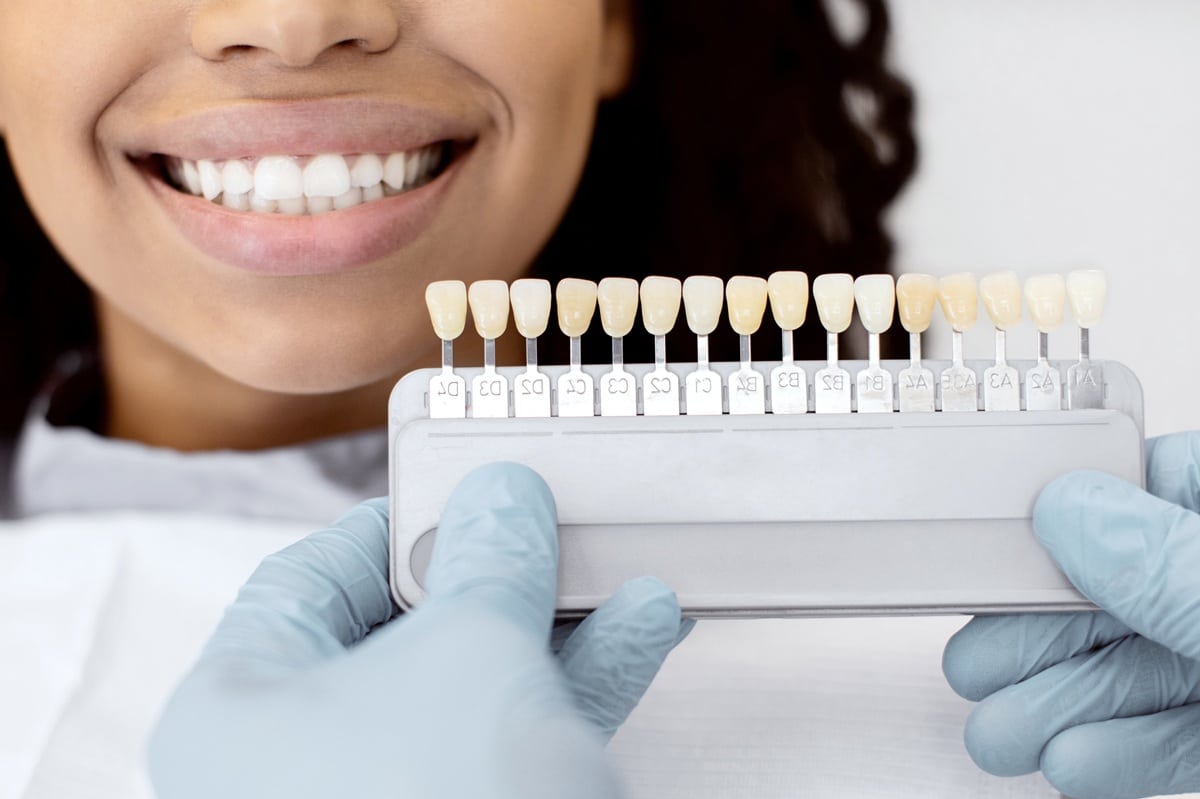
Do you want veneers, but worry about what happens to your real teeth underneath? That question matters. Veneers can improve the look of chipped, stained, uneven, or worn teeth, but they are not just placed on teeth like press-on covers. Your natural teeth stay in place. They are prepared, protected, and covered with thin custom shells.
The main thing to know is simple. Veneers do not ruin healthy teeth when they are planned well and properly cared for. They do require a permanent change to the tooth’s front surface. This blog explains what happens before, during, and after veneers, so you can make a clear decision.
First, What Are Veneers?
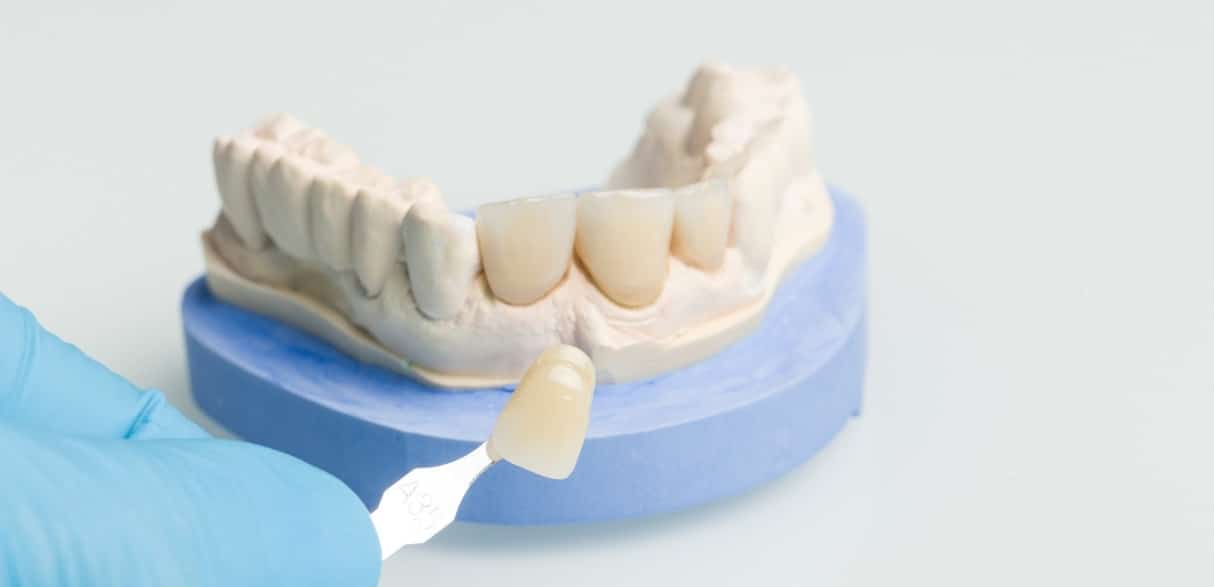
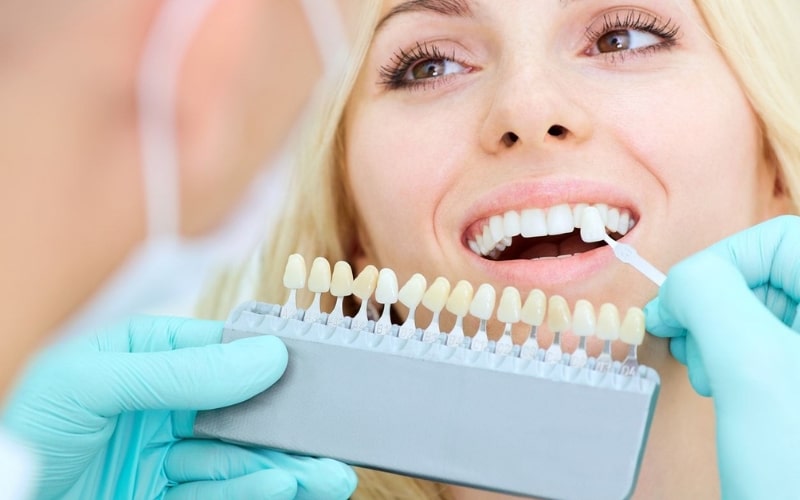
Veneers are thin coverings placed on the front of teeth. They are usually made from porcelain or composite material. Their job is to improve the shape, color, size, or overall look of selected teeth.
People often consider veneers for:
- Deep stains that teeth whitening cannot fully correct
- Small chips or worn edges
- Gaps between front teeth
- Uneven tooth shape
- Mild crookedness in visible teeth
For patients comparing Veneers, the goal should not be only appearance. The natural teeth, gums, bite, and long-term care all matter before treatment begins.
Do Teeth Get Shaved Down for Veneers?
In most cases, a very small amount of enamel is removed from the front of the tooth. Enamel is the hard outer layer. This step helps the veneer sit flat and look natural.
The amount removed depends on:
- Tooth shape
- Tooth position
- Type of veneer
- Desired result
- Existing enamel thickness
Some cases need very little preparation. Others need more shaping. Your dentist should explain this before treatment starts.
Are Teeth Still Healthy Under Veneers?
Yes, the teeth under veneers can stay healthy. Veneers cover only the visible front surface. The tooth root, nerve, and inner structure remain.
Your tooth still needs normal care because it is still alive. You still need to brush, floss, and visit the dentist. A veneer does not stop cavities or gum problems from forming.
Think of it this way. A veneer improves the appearance of the tooth’s outer surface, but the underlying tooth still requires daily care.
Can Teeth Rot Under Veneers?
Teeth can decay around veneers if plaque collects near the edges. This usually happens where the veneer meets the natural tooth.
Decay is more likely if:
- Brushing is poor
- Flossing is skipped
- Sugary drinks are frequent
- Gumline plaque builds up
- The veneer edge is damaged
- Dental visits are missed
Veneers themselves do not decay, but the natural tooth can. That is why regular checkups matter.
What Happens Right After Veneers Are Placed?
After veneers are bonded, your teeth may feel slightly different for a few days. This is normal.
You may notice:
- Mild sensitivity to hot or cold
- A slightly different bite feeling
- Smoothness on the front teeth
- Minor gum tenderness
These changes usually settle as your mouth adjusts. If your bite feels uneven, contact your dentist. A small adjustment may help.
Do Veneers Protect Teeth?
Veneers can cover weak, stained, or worn front surfaces. They may add a layer of protection to the visible part of the tooth.
However, they are not a shield against every dental problem. You can still get cavities. You can still have gum disease. You can still chip a veneer if you bite hard objects.
Avoid chewing ice, opening packets with your teeth, or biting pens. These habits can damage both veneers and natural teeth.
What If You Grind Your Teeth?
Grinding can place too much pressure on veneers. If you clench or grind at night, your dentist may suggest a night guard.
This is important because grinding can cause:
- Cracks
- Chips
- Loose veneers
- Tooth sensitivity
- Jaw soreness
People who grind heavily may need bite treatment before getting veneers. In some cases, clear aligners may be discussed first if tooth position affects the bite.
Are Veneers Better Than Whitening?
It depends on the problem. Teeth whitening works on natural tooth color. Veneers help when color, shape, and surface concerns are involved.
Whitening may be enough for mild stains. Veneers may be considered when stains are deep, uneven, or resistant to whitening. Your dentist can help you choose the option that fits your teeth.
What If a Tooth Is Missing?
Veneers do not replace missing teeth. They cover existing teeth only. If a tooth is missing, options like dental implants, bridges, or partial dentures may be discussed separately.
This is why a full exam matters. The best cosmetic plan starts with healthy teeth, stable gums, and a clear view of your bite.
How Long Do Veneers Last?
Veneers can last for many years with proper care. Their lifespan depends on material, bite pressure, oral hygiene, and daily habits.
You can help them last longer by:
- Brushing twice daily
- Flossing every day
- Wearing a night guard if advised
- Avoiding hard biting habits
- Keeping dental visits on schedule
Veneers may need replacement over time. Since enamel was changed during preparation, the tooth will usually need a veneer or another restoration in the future.
Are Veneers Reversible?
Most traditional veneers are not reversible. Once enamel is removed, it does not grow back.
That does not mean veneers are unsafe. It means the decision should be made carefully. You should understand the process, benefits, limits, and maintenance before starting.
What Should Toms River Patients Ask First?
Before getting veneers, ask clear questions.
Good questions include:
- How much enamel will be removed?
- Am I a good candidate?
- Will my bite affect the veneers?
- How many teeth should be treated?
- What material is best for me?
- How do I care for them?
- What happens if one chips?
For locals in Toms River, especially those with active schedules around Route 37, downtown areas, or shore weekends, treatment should fit both their health needs and their daily lives.
A Clear Decision Starts With the Right Information
Veneers can improve the look of teeth, but they work best when your natural teeth are healthy. The teeth under veneers remain active and important. They need good hygiene, regular exams, and protection from excess pressure.
The real answer is simple. Veneers do not replace your teeth. They cover and enhance them. When planned properly, they can be a strong cosmetic option for the right patient.
Talk Through Your Options With a Dentist
If you are considering veneers in Toms River, NJ, schedule a consultation with North Dover Dental. Our team can examine your teeth, explain whether veneers are suitable, and help you understand your next step without pressure.
Common Questions People Ask
1. Do veneers damage natural teeth?
Veneers do not damage healthy teeth when properly planned and placed. A small amount of enamel may be removed permanently. That is why a dental exam is needed before treatment.
2. Can cavities form under veneers?
Yes. Cavities can form around the edges of veneers if plaque builds up. Brushing, flossing, and regular dental visits help protect the natural tooth underneath.
3. Are teeth sensitive after veneers?
Some sensitivity is common after veneers. It often improves after a short adjustment period. If sensitivity stays or becomes painful, you should contact your dentist.
4. Can veneers fall off?
Veneers can loosen or come off if the bond weakens, trauma occurs, or heavy grinding occurs. Avoid hard biting habits and follow your dentist’s care instructions.