


Gum disease, also known as periodontal disease, is surprisingly common. It sets in quietly, and if you ignore it, things can get bad really fast: tooth loss, bone damage, and bad breath.
Here’s the upside: Catch it early, and you’ve got a good chance at turning things around. You might wonder what the treatment is to do so. It’s none other than scaling and root planing. Think of it as a deep clean for your mouth, and it can make a real difference if you act before things get out of hand.
What’s scaling and root planing?
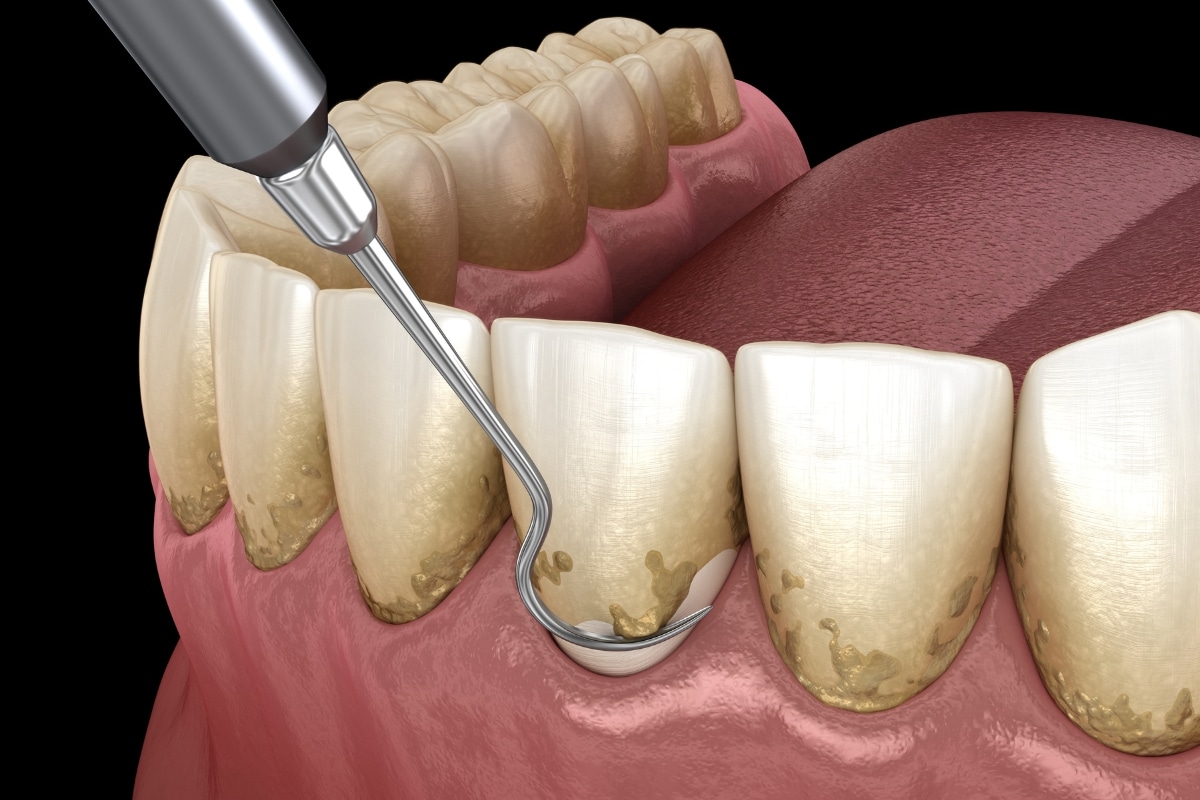
Scaling and root planning is a non-surgical treatment that your dentist carries out to treat gum disease in its early stages. The goal is simple—get rid of all that accumulated plaque and tartar, not just on your teeth but under the gum line too. Scaling scrapes away the buildup on your teeth, while root planing smooths out the roots, giving your gums a better chance at recovering from the infection. This process keeps bacteria from finding places to hide and gives your gums a chance to heal up.
Dentists usually recommend this when you’ve gone past basic gingivitis but haven’t reached full-blown periodontitis yet. It can save you from more intense, expensive dental work down the line.
How Does Scaling & Root Planing Help?
1. It gets rid of bacteria that cause gum disease. Plaque forms on your teeth, hardens into tartar, and starts irritating your gums. Brushing and flossing can’t always remove everything, but this treatment can.
2. It calms down inflammation. When your gums become red, swollen, or bleed, you can hold it as a sign of an oral complication or a dental issue that needs a quick fix. Scaling and root planing remove the accumulated dirt and gunk that’s causing the dental problem, so your gums can finally heal from the inflammation/ infection.
3. It stops the disease before it gets worse. Left untreated, gum disease can destroy your gums and the bone beneath them. This deep cleaning stops that process in its tracks.
4. It helps your gums reattach to your teeth. Smoothing out the root surfaces gives your gums a better surface to grip. That means fewer deep pockets and healthier gums overall.
How Effective Is Scaling & Root Planing?
Most patients report rapid improvement in their gum health after scaling & root planning. The benefits can range from less bleeding and swelling to gums that just look and feel better. But you have to keep up with your oral hygiene practices, such as brushing twice a day, flossing, and attending dental check-ups twice a year. If you slip back into old habits, the gum problem can return.
Can Scaling & Root Planing Help You Treat Advanced Gum Disease?
Once gum disease progresses to periodontitis, scaling and root planing still help, but you might need more than a deep cleaning. Advanced cases may require additional treatments. If you ignore it, you could lose teeth or face extensive health issues.
Bottom Line
Don’t wait for the problem to be solved without professional assistance. Early action makes all the difference. If your gums bleed, feel sore, or you just think there’s something wrong with your oral health, book a visit with our dentist at North Dover Dental of Toms River. We’re ready to help you keep your mouth healthy and your smile strong.
FAQs
1. How do I know if I need scaling & root planing?
If you notice gum redness, swelling, or bleeding while brushing, you may have early gum disease. Scaling & root planing a recommended treatment to help prevent further damage.
2. Is scaling & root planing painful?
While the procedure involves deep cleaning, your dentist will numb the area to ensure you’re comfortable. Most patients experience minimal discomfort afterward, with any soreness subsiding within a few days.
3. How long does it take to recover after scaling & root planing?
Recovery time is typically short. You may experience some tenderness for a few days, but most patients return to normal activities quickly. Follow your dentist’s aftercare instructions to ensure the best results.
4. How often should I have scaling & root planing done?
Your dentist determines the need for scaling & root planing based on the severity of your gum disease. For most patients, it’s a one-time procedure, but regular check-ups are essential to monitor gum health.
5. Can I prevent gum disease without scaling & root planing?
Good oral hygiene, regular dental cleanings, and a healthy diet can help prevent gum disease. However, scaling & root planing are often necessary when plaque and tartar buildup cannot be removed by regular brushing alone.