



Missing teeth don’t just affect how your smile looks—they can quietly change how you eat, speak, and even enjoy everyday conversations. Many people begin to notice small frustrations first: food getting stuck, difficulty chewing certain meals, or words not sounding quite the same as they used to. Over time, these challenges can affect confidence, nutrition, and overall oral health.
For individuals and families in Toms River, everyday life often revolves around shared meals, community events, and staying active with loved ones. When chewing feels uncomfortable or speaking clearly becomes a challenge, it can take the joy out of those moments. That’s where restorative dental solutions play an important role in helping patients feel like themselves again.
Dental bridges are one such solution designed to replace missing teeth and restore balance to your bite—helping you chew comfortably and speak naturally once more.
Why Missing Teeth Affect Chewing and Speech
Each tooth plays a specific role in guiding how your mouth functions. When even one tooth is missing, the surrounding teeth can begin to shift, creating uneven pressure when you chew. This imbalance may lead to jaw discomfort, inefficient chewing, or avoiding certain foods altogether.
Speech is also closely tied to tooth placement. Teeth help shape airflow and tongue movement when forming words. Gaps can cause subtle changes in pronunciation, lisps, or difficulty with sounds like “s,” “f,” or “th.” While these changes may start small, they often become more noticeable over time.
How Dental Bridges Help Restore Daily Comfort
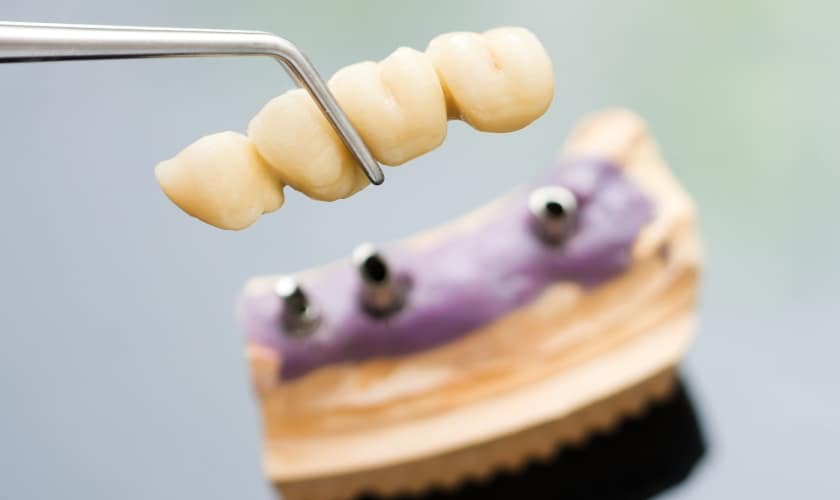
A dental bridge works by bridging the space left by one or more missing teeth. It is securely anchored to neighboring teeth, creating a stable and natural-looking replacement that blends seamlessly with your smile.
This treatment offers both functional and aesthetic benefits when designed and placed with precision.
Improved Chewing Efficiency
By filling the gap, a dental bridge redistributes bite forces evenly across your teeth. This allows you to chew comfortably on both sides of your mouth and enjoy a wider range of foods—whether it’s fresh seafood, crisp produce, or family meals at home.
Clearer, More Natural Speech
Once the gap is filled, your tongue and lips regain proper support. This helps restore normal speech patterns, making conversations feel easier and more confident again.
Better Jaw Alignment
Missing teeth can cause your bite to shift over time. A bridge helps maintain proper alignment, reducing strain on your jaw muscles and lowering the risk of future discomfort.
A Confident, Natural-Looking Smile
Dental bridges are custom-crafted to match the shape and color of your natural teeth. Most people won’t even notice you’ve had dental work done—just that your smile looks healthy again.
What the Process Typically Looks Like
At North Dover Dental, patient comfort and clarity are always a priority. While every treatment plan is personalized, the process generally includes:
- A thorough consultation and evaluation
- Preparing the supporting teeth for the bridge
- Taking precise impressions for a custom fit
- Placing the final bridge once it’s ready
The goal is not just to replace missing teeth, but to restore how your mouth feels and functions every day.
Why Timely Tooth Replacement Matters
Waiting too long to replace missing teeth can lead to additional oral health concerns, including bone loss, further tooth shifting, and bite problems. Acting sooner helps preserve the natural structure of your smile and prevents more complex treatments down the road.
Many local patients appreciate addressing these concerns early, especially when balancing work, family, and an active lifestyle in and around the Toms River area.
Caring for Your Dental Bridge
A dental bridge can last many years with proper care. Maintaining good oral hygiene is key:
- Brush twice daily with a soft-bristled toothbrush
- Clean under and around the bridge as instructed
- Floss daily to protect the supporting teeth
- Schedule regular dental checkups and cleanings
These habits help keep both your bridge and surrounding teeth healthy for the long term.
Is a Dental Bridge Right for You?
Dental bridges are often recommended for patients who want a reliable, fixed solution for missing teeth without removable appliances. They may be ideal if you’re looking to improve daily comfort, restore speech clarity, and regain confidence in your smile.
A professional evaluation is the best way to determine whether this option fits your needs and goals.
Schedule a consultation to learn how a custom dental bridge can support comfortable chewing, clear speech, and a healthier smile—designed with your lifestyle in mind.
Popular Questions Patients Ask About Dental Bridges
Can a dental bridge really improve speech?
It can. Missing teeth often affect how certain sounds are formed. By filling the gap and restoring proper support for the tongue and lips, a dental bridge can help speech feel clearer and more natural.
Will it take time to adjust to eating and talking with a dental bridge?
Most patients experience a short adjustment period. Within a few days to a couple of weeks, chewing and speaking usually begin to feel natural again.
Can a dental bridge help prevent jaw discomfort from uneven chewing?
Yes. Missing teeth can cause you to favor one side of your mouth, which may strain the jaw. A dental bridge helps restore even bite pressure and supports more comfortable jaw movement.