


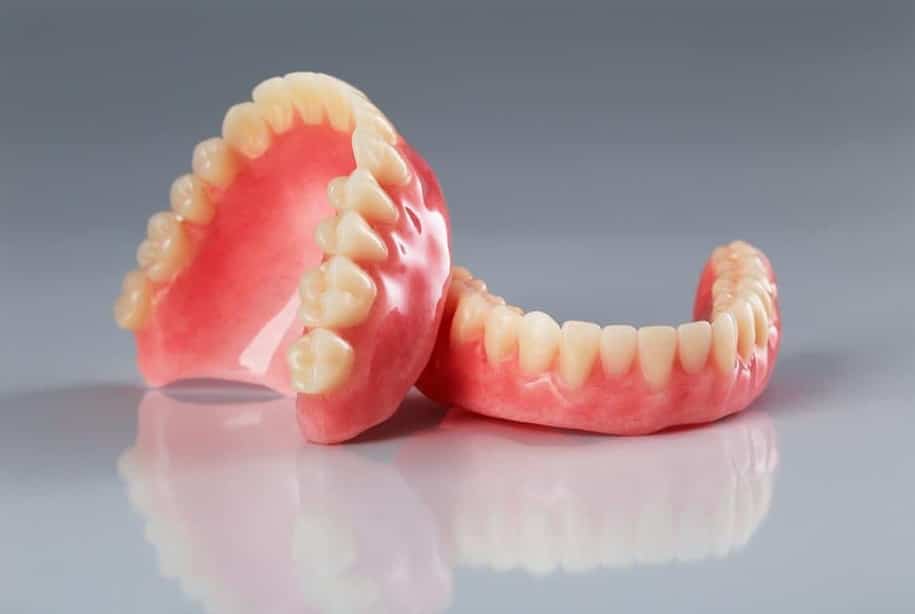
Getting new dentures is an important step toward restoring your smile, your confidence, and your ability to enjoy everyday life again. Still, even though dentures are designed to look and feel natural, it’s completely normal for the adjustment period to come with questions, mild discomfort, or moments of frustration.
The good news? With the right guidance, patience, and a few practical habits, most people adapt faster than they expect. Whether you’re newly fitted or preparing for your first set, understanding what’s normal, and what helps, can make all the difference.
At North Dover Dental, we regularly support patients throughout their denture journey, from the first fitting to long-term care. Here’s what you can realistically expect and how to feel comfortable faster.
What the First Few Weeks with Dentures Are Like
During the initial adjustment phase, your mouth is learning something entirely new. Dentures rest on gum tissue and bone rather than being anchored like natural teeth, so it’s common to notice:
- Mild soreness or pressure spots
- Increased saliva production
- Slight changes in speech
- A feeling of looseness at first
These sensations usually improve as your mouth adapts. Patients in Toms River often ask if something is “wrong” when they notice these changes, but in most cases, it’s simply part of the normal process.
After the first 100 days, many local patients are surprised to learn that follow-up adjustments play a major role in comfort. Dentures aren’t one-size-fits-all, and small refinements can make a big difference.
Tips to Feel Comfortable Faster with New Dentures
1. Ease Into Eating
Start with soft, easy-to-chew foods like soups, eggs, yogurt, mashed vegetables, or pasta. As confidence builds, gradually reintroduce firmer foods by cutting them into small pieces and chewing slowly on both sides of your mouth.
Many patients enjoy softer options from nearby cafés or home-cooked comfort foods during the first few weeks.
2. Practice Speaking Out Loud
Reading aloud, repeating tricky words, or having short conversations at home can help your tongue and lips adjust more quickly. Most speech changes resolve naturally within a few weeks.
3. Wear Your Dentures as Directed
Even if they feel unusual at first, wearing your dentures consistently (as instructed) helps your mouth adapt faster. Removing them too often can slow progress.
4. Use Proper Denture Care Techniques
Clean your dentures daily using a non-abrasive cleanser and a soft brush. Avoid hot water, which can warp them, and store them properly when not in use.
5. Pay Attention to Pressure Spots
Persistent sore areas aren’t something you should “push through.” If discomfort continues, an adjustment visit can relieve irritation quickly.
Why Follow-Up Visits Matter More Than You Think
Dentures change how forces are distributed in your mouth, and your gums naturally shift over time. That’s why follow-up appointments are essential—not optional.
For patients seeking dentures in toms river, professional adjustments ensure:
- Better fit and stability
- Reduced sore spots
- Improved chewing efficiency
- Long-term oral health
Many Toms River residents appreciate having a dental team nearby who understands their lifestyle, schedule, and comfort expectations.
Local Lifestyle Tips for Denture Wearers in Toms River
Living near the Jersey Shore comes with unique habits and routines that can affect denture comfort:
- Stay hydrated, especially during humid summer months
- Avoid chewing ice or hard boardwalk snacks early on
- Protect dentures during outdoor activities like boating or beach days
- Schedule checkups before long trips or seasonal travel
Small planning steps go a long way toward preventing unexpected issues.
Common Mistakes to Avoid During the Adjustment Period
- Skipping adjustment appointments
- Using household cleaners instead of denture products
- Eating sticky or very hard foods too soon
- Ignoring persistent pain or looseness
If something doesn’t feel right, trust your instincts and reach out.
Call Us (732) 226-1545 or request an appointment to take the next step toward a healthier, more comfortable smile.
Frequently Asked Questions About New Dentures
How long does it take to get used to dentures?
Most people adjust within a few weeks, though full comfort may take a couple of months. Everyone’s timeline is different.
Is soreness normal?
Mild soreness is common at first. Ongoing pain isn’t—adjustments can help.
Can I sleep with my dentures in?
In many cases, removing them at night allows gum tissue to rest. Your dentist will provide personalized guidance.
How often should dentures be checked?
At least once a year, or sooner if you notice discomfort, looseness, or changes in fit.